
Mumbai’s Water Challenges and the Growing Demand for Smart Rainwater Solutions
With rising water shortages, high dependency on tanker water, and increasing pressure on municipal supply, many homeowners and housing societies are searching for rainwater harvesting services near me to reduce costs and secure a sustainable water source. Mumbai, a city blessed with heavy monsoon rainfall yet still struggling with seasonal scarcity, faces a unique contradiction: abundant rain, but insufficient water retention.
As urbanisation intensifies and natural water bodies shrink, rainwater harvesting has become not just a smart solution—but a civic responsibility. From Bandra to Borivali and from Navi Mumbai to South Mumbai, buildings are turning to harvesting systems to conserve lakhs of litres of water annually. These systems reduce dependence on BMC supply, lower water bills, recharge borewells, and ensure an eco-friendly water cycle for every property type.
Why Mumbai Needs Large-Scale
Rainwater Harvesting
Mumbai receives an average of 2,200–2,500 mm of rainfall every year,
one of the highest among major metropolitan cities. Despite this, water scarcity
remains a recurring challenge.
This paradox exists because:
- • Monsoon rainfall drains rapidly into the sea
- • Natural catchment zones are disappearing
- • Groundwater levels remain critically low
- • High-rise residential complexes consume enormous quantities of water
- • Industrial and commercial establishments require consistent supply
- • Construction activity demands large volumes of non-potable water
Rainwater harvesting is no longer just a conservation effort—it is a necessity for Mumbai’s sustainable future.
Major Problems Mumbai Faces Without Harvesting Systems
- Rapid depletion of borewell water levels
- Increasing dependence on expensive tanker water
- Declining water quality in older buildings
- Annual water cuts during summer months
- Massive water wastage during intense monsoon spells
Well-designed rainwater harvesting systems address all these challenges in a cost-effective, reliable, and environmentally sustainable manner, making them an essential infrastructure investment for the city.
Types of Rainwater Harvesting Systems
Used in Mumbai
Different properties across Mumbai have varying water needs. The following are the most commonly installed rainwater harvesting systems in the city.
Rooftop Rainwater Harvesting
Rainwater is collected from terraces and rooftops and channelled through pipes into storage tanks or recharge wells.
Surface Runoff Harvesting
Commonly used in large residential complexes, industrial premises, and school grounds to capture rainwater flowing on the ground.
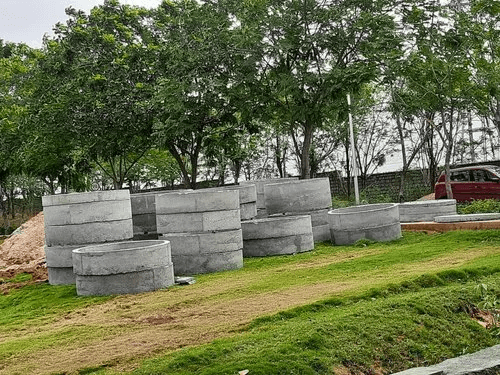
Recharge Pit or Shaft System
Deep recharge pits or shafts are constructed to quickly replenish groundwater levels during heavy rainfall.
Percolation Wells
Ideal for housing societies with adequate space, allowing rainwater to seep naturally into underground aquifers.
Modular Rainwater Storage Tanks
Space-saving, high-capacity storage tanks designed for smaller homes and commercial properties in urban areas.
Filter-Only Systems
Water is filtered and redirected for non-potable applications such as washing, gardening, and cleaning purposes.
Selecting the correct rainwater harvesting system depends on roof area, rainfall intensity, water requirements, budget, and soil conditions.
The Benefits of Installing a Rainwater Harvesting
System in Mumbai
The advantages of rainwater harvesting extend far beyond just saving water, delivering environmental, economic, and lifestyle improvements.
Environmental Benefits
- • Reduces strain on lakes and dams
- • Lowers flood risk during intense monsoon rains
- • Naturally improves groundwater levels
- • Helps cut down soil erosion
Economic Benefits
- • Major reduction in tanker water dependency
- • Lower electricity usage for pumping
- • Increases overall property value
- • Reduced maintenance costs for borewells
Lifestyle Benefits
- • Cleaner water for domestic use
- • More consistent water supply
- • Healthier living surroundings
- • Reduced water stress during summer months
Properly installed rainwater harvesting systems can save 25,000 to 1,00,000+ litres of water per single building during every monsoon season in Mumbai.
The Benefits of Installing a Rainwater Harvesting
System in Mumbai
The advantages of rainwater harvesting extend far beyond just saving water, offering environmental, economic, and lifestyle benefits.
Environmental Benefits
- • Reduces strain on lakes and dams
- • Lowers flood risk during intense monsoon rains
- • Naturally improves groundwater levels
- • Cuts down soil erosion
Economic Benefits
- • Major reduction in tanker water dependency
- • Lower electricity usage
- • Increases overall property value
- • Reduced maintenance for borewells
Lifestyle Benefits
- • Cleaner water for domestic use
- • More consistent water supply
- • Healthier living surroundings
- • Reduced water stress during summer months
Cost of Rainwater Harvesting Installation in Mumbai
The cost of installing a rainwater harvesting system depends on system size, building height, filtration type, and local soil conditions. Below is an approximate cost guide for Mumbai properties.
Rainwater Harvesting Cost Guide
| System Type | Approx. Cost (₹) |
|---|---|
| Rooftop System (Small Home) | ₹18,000 – ₹35,000 |
| 4–6 Storey Residential Building | ₹45,000 – ₹1,20,000 |
| Large Housing Society (Multiple Towers) | ₹1.5 lakh – ₹6 lakh |
| Industrial / Commercial Property | ₹2 lakh – ₹12 lakh |
While installation costs vary, the return on investment is extremely high. A well-designed rainwater harvesting system can last 15–20 years with minimal maintenance.
Choosing the Right Providers for Professional
Rainwater Installations
In a highly urbanised environment like Mumbai, proper engineering and execution are critical.
This is why many customers search for rainwater harvesting near me to find
reliable and experienced local service providers.
A good rainwater harvesting company will:
- • Conduct a detailed site survey
- • Analyse roof size, slope, and water flow
- • Recommend the most suitable system design
- • Install proper filtration units and pipelines
- • Construct storage tanks or recharge structures
- • Provide annual maintenance and service support
Professional installation ensures system efficiency, water safety, and long-term reliability.
Experience matters because poorly designed or incorrectly installed systems can lead to serious issues such as:
- • Poor water quality and contamination
- • Blocked or overflowing pipelines
- • Leakages in tanks and plumbing
- • Soil overflow or erosion
- • Ineffective groundwater recharge
Always choose certified experts with proven Mumbai-based experience to ensure compliance, performance, and long-term sustainability.
Maintenance: The Secret to a Long-Lasting Rainwater Harvesting System
A well-maintained rainwater harvesting system can last for decades while delivering consistent performance. Regular upkeep ensures water quality, system efficiency, and trouble-free operation.
- Cleaning filters thoroughly before the monsoon
- Clearing leaves, dust, and debris from rooftops
- Checking pipelines regularly for leakages or blockages
- Flushing out sediment from tanks and filters
- Inspecting recharge pits to prevent clogging
- Ensuring mosquito breeding is fully prevented
When maintained correctly, rainwater harvesting systems operate smoothly with minimal yearly costs while delivering long-term sustainability benefits.
Frequently Asked Questions
Depending on the roof size and rainfall intensity, a building can save anywhere between 10,000 to 1,00,000+ litres of water during a single monsoon season.
Yes, with advanced filtration and purification systems. However, most housing societies use harvested rainwater for flushing, washing, and gardening purposes.
Absolutely. High-rise buildings benefit significantly from rooftop rainwater capture combined with recharge pits or shafts.
Yes. The BMC and several local wards actively encourage rainwater harvesting installations to reduce pressure on municipal water supply.
© 2026 Neat N Clean | All Rights Reserved
Design & Developed By: SIB Infotech