
Advanced Rainwater Harvesting Solutions for Urban Mumbai Homes & Societies
As the demand for sustainable water solutions grows, more residents and building managers are searching for rainwater harvesting near me to find reliable experts who can design long-term, eco-friendly systems. In a city like Mumbai—where water shortages, tanker dependency, and erratic rainfall patterns are common—rainwater harvesting has become an essential solution for responsible water management.
Mumbai’s unpredictable water supply, rising population, and growing number of high-rise buildings make rainwater harvesting a powerful answer to water scarcity. Whether you manage a residential tower, an old housing society, a school, or a commercial building, installing a professionally designed rainwater harvesting system can significantly reduce dependence on municipal water and costly tanker supply while promoting long-term sustainability.
Why Rainwater Harvesting Is No Longer Optional
for Mumbai
Mumbai’s water consumption is among the highest in India. With millions of residents dependent on an already stressed municipal supply and natural water resources depleting rapidly, rainwater harvesting has become a necessity rather than a choice for the city’s sustainable future.
Why Mumbai Needs Rainwater Harvesting Urgently
- Increasing dependence on tanker water every year
- Large volumes of monsoon rain going to waste
- Seasonal summer water cuts across residential areas
- Rapidly rising population in apartments and housing societies
- Continuous drop in borewell and groundwater levels
- Climate change impacting rainfall patterns and availability
Mumbai faces serious water management challenges, but rainwater harvesting offers an effective, reliable, and natural solution. A well-designed system helps conserve water, reduce tanker dependence, and build long-term resilience for homes, societies, and commercial buildings across the city.
How Advanced Rainwater Harvesting
Systems Work
Modern rainwater harvesting systems use smart engineering and filtration techniques to capture, clean, store, and reuse rainwater efficiently. The process is designed to work seamlessly with Mumbai’s intense and frequent monsoon rainfall.
Water Capture Mechanisms
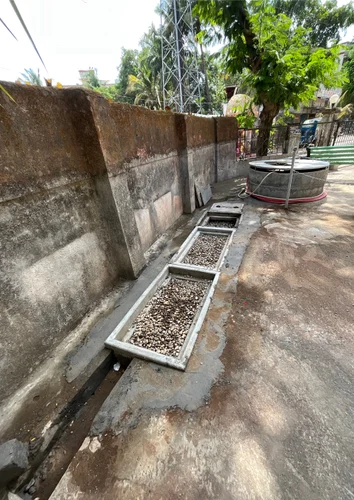
Rooftops, terraces, and open surfaces collect rainwater and direct it through pipelines into the harvesting system.
Pre-Filtration Units
Mesh screens and leaf filters remove dust, leaves, plastics, and surface debris before water enters the system.
Multi-Layer Filtration
Advanced layers of sand, gravel, charcoal, and pressure filters purify rainwater to make it safe for reuse.
Storage & Groundwater Recharge
Filtered water is stored in tanks or directed underground to recharge borewells and improve groundwater levels.
Where Rainwater Harvesting Works Best
Rainwater harvesting systems are highly versatile and effective across various property types. Here’s where they deliver maximum impact:
Housing Societies
Ideal for supplying water for flushing, gardening, and general cleaning across multiple households.
Schools & Colleges
Large campuses can save lakhs of litres annually, significantly reducing operational water costs.
Hospitals & Hotels
High daily water consumption makes rainwater harvesting extremely cost-effective.
Malls & Commercial Buildings
Extensive roof areas enable massive rainwater collection during monsoon seasons.
Independent Villas & Bungalows
Perfect for homeowners seeking personal water security and reduced dependence on tankers.
Factories & Industrial Units
Rainwater can be effectively used for cooling, cleaning, and industrial recycling processes.
Benefits of Rainwater Harvesting for Mumbai Properties
With rising water shortages and increasing tanker dependency, rainwater harvesting has become an essential solution for residential, commercial, and institutional properties across Mumbai.
- Consistent Water Supply — Ensures steady water availability even during peak summer shortages.
- Reduced Dependency on Tanker Water — Housing societies can save lakhs annually by minimizing tanker usage.
- Reduced Flooding & Waterlogging — Capturing rainwater helps prevent road-level flooding during heavy monsoons.
- Improves Groundwater Levels — Recharge systems significantly boost borewell yield and water table levels.
- Eco-Friendly & Sustainable — Promotes water conservation, reduces pollution, and protects natural resources.
Cost Structure for Rainwater Harvesting in Mumbai
The cost of installing a rainwater harvesting system depends on property size, system design, filtration requirements, and storage or recharge capacity. Below is an estimated cost breakdown for Mumbai properties:
Rainwater Harvesting Cost Guide
| Property Type | Approx. Cost (₹) |
|---|---|
| Small Home / Independent House | ₹20,000 – ₹45,000 |
| 5–10 Floor Residential Building | ₹60,000 – ₹1,50,000 |
| Large High-Rise Housing Cluster | ₹1.75 lakh – ₹7 lakh |
| Industrial & Commercial Properties | ₹2 lakh – ₹15 lakh |
Common Rainwater Harvesting Mistakes (And How to Avoid Them)
Many buildings install rainwater harvesting systems but fail to get optimal results due to design and maintenance mistakes. Avoiding these common errors ensures efficiency and long-term performance:
- Incorrect rooftop slope causing poor water flow
- Using poor-quality or insufficient filtration media
- Wrong pipeline sizing leading to overflow or blockage
- Lack of mosquito and debris protection
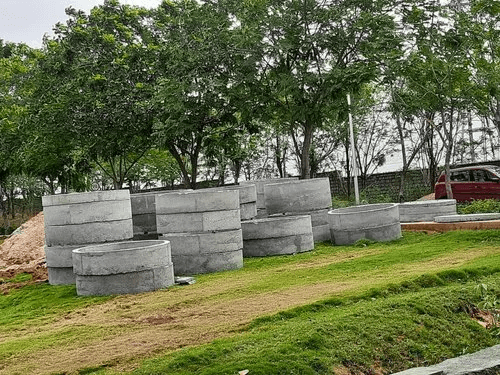
- Recharge pits constructed too shallow
- Neglecting pre-monsoon system cleaning
- Using unsuitable or low-grade storage tank materials
Best Locations in Mumbai for Rainwater Harvesting
Mumbai’s diverse geography and urban density make rainwater harvesting highly effective across multiple zones. Certain areas benefit even more due to building height, population density, rainfall patterns, and water scarcity.
High-Rise Zones
Andheri, Goregaon, Powai, Malad, Lower Parel
Society-Dense Areas
Borivali, Kandivali, Mulund, Thane, Navi Mumbai
Rain-Heavy Localities
Panvel, Nerul, Kharghar
Water-Shortage Zones
Mira Road, Virar, Kalyan
Each of these zones sees tremendous benefits from professionally designed rainwater harvesting installations—helping reduce tanker dependency, manage monsoon runoff, and improve long-term water security.
Maintenance Checklist for Mumbai’s Weather Conditions
Mumbai’s heavy rainfall and humid climate demand regular upkeep of rainwater harvesting systems to ensure uninterrupted performance during every monsoon season.
- Clean rooftop drains and gutters regularly
- Replace or clean filter media annually
- Flush out debris from pipes before monsoon
- Inspect tank waterproofing and structural cracks
- Remove sludge and sediment buildup regularly
Proper and timely maintenance ensures the system works efficiently, delivers clean water, and performs reliably throughout every monsoon season.
Frequently Asked Questions
Rooftop rainwater harvesting systems with proper filtration and recharge pits work best for most residential and commercial properties in Mumbai.
Yes. When treated with advanced filtration and purification systems, rainwater can be safely used for drinking and cooking purposes.
A medium-sized residential building can harvest more than 50,000 litres of rainwater during a single heavy rainfall spell.
Maintenance is minimal. Basic cleaning of filters, pipes, and rooftop drains before the monsoon is usually sufficient.
Conclusion
With increasing population pressure and growing water scarcity, implementing
sustainable rainwater harvesting in Mumbai has become essential
for ensuring a secure and resilient future. Whether you manage a large residential
complex, a commercial building, or an individual bungalow, a properly designed
rainwater harvesting system helps lower water costs, improve water availability,
and reduce dependency on municipal and tanker supply.
By working with experienced rainwater harvesting professionals, your building can
conserve lakhs of litres of water every year while improving groundwater levels and
contributing positively to ecological balance. A well-planned harvesting system not
only benefits your property but also sets an example of sustainability for the
entire community.
© 2026 Neat N Clean | All Rights Reserved
Design & Developed By: SIB Infotech