
Rainwater Harvesting in Mumbai: A Complete Local Guide for Homes, Societies, and Businesses
Mumbai, famously known as the city of monsoons, receives heavy rainfall every year. Despite this, many areas still face water shortages, high dependency on water tankers, and declining groundwater levels. The main reason is the lack of proper water storage and efficient local water management systems. This is why rainwater harvesting in Mumbai has become essential for homes, housing societies, and businesses.
With rapid urbanization, a growing population, and changing climate patterns, the pressure on Mumbai’s water resources has increased significantly. Rainwater harvesting offers a sustainable and cost-effective solution to ensure year-round water availability. It helps reduce dependence on municipal supply, lowers water bills, and contributes to long-term groundwater recharge.
This guide will help you understand what rainwater harvesting is, its key benefits, the different types of systems available, estimated costs, installation steps, and essential maintenance tips — all specifically tailored for Mumbai.
What Is Rainwater Harvesting?
Rainwater harvesting is the process of collecting, filtering, and storing rainwater from rooftops, terraces, and open areas. The collected water can be stored for direct use or directed towards groundwater recharge, helping prevent depletion of local water tables.
In Mumbai, where water scarcity exists despite heavy monsoon rainfall, rainwater harvesting helps reduce tanker dependency and ensures a reliable water supply for daily household and commercial needs.
Benefits of Rainwater Harvesting in Mumbai
- Saves thousands of litres of water annually
- Reduces dependency on municipal water supply
- Improves groundwater and borewell levels
- Controls urban flooding and waterlogging
- Supports eco-friendly and sustainable living
Why Rainwater Harvesting Is Important in Mumbai
Despite receiving heavy rainfall every year, Mumbai continues to face water shortages. The reasons below explain why rainwater harvesting has become essential for the city.
Heavy Rainfall but Poor Storage
Mumbai receives intense monsoon rainfall, often in short bursts. Due to lack of proper storage systems, most rainwater flows into drains and is wasted instead of being stored for future use.
High Water Tanker Dependency
Many housing societies rely heavily on water tankers, especially during summer. Rainwater harvesting helps reduce or even eliminate tanker dependency, saving money in the long run.
Groundwater Depletion
Excessive borewell usage and poor recharge have caused groundwater levels to fall. Recharge-based rainwater harvesting systems help revive aquifers and borewells.
Urban Flooding and Waterlogging
Mumbai faces severe waterlogging during monsoon. Rainwater harvesting reduces surface runoff, helping prevent flooding and minimizing water accumulation on roads and residential areas.
Government Regulations
The Brihanmumbai Municipal Corporation (BMC) mandates rainwater harvesting for many new constructions and redevelopment projects, making compliance essential.
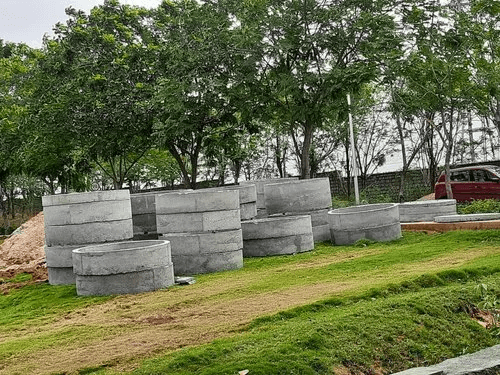
How Rainwater Harvesting Works in Mumbai
A rainwater harvesting system is designed to collect and direct rainwater for storage or groundwater recharge. While system designs may vary, the core working process remains similar across homes, societies, and commercial buildings in Mumbai.
- Rain falls on the rooftop or terrace surface
- Water flows through gutters and downpipes
- First-flush system removes initial dirty water containing dust and debris
- Water passes through filters to remove leaves and other impurities
- Clean water is stored in tanks or diverted into recharge pits or borewells
The final system design depends on factors such as rooftop area, rainfall intensity, water usage requirements, and available space at the property.
Types of Rainwater Harvesting Systems in Mumbai
Mumbai uses different rainwater harvesting systems based on space availability, groundwater conditions, and water usage requirements.
Rooftop Rainwater Harvesting
Ideal for homes, apartments, offices, schools, and hospitals. Rainwater is collected, filtered, and stored for non-drinking uses like flushing, cleaning, gardening, and vehicle washing.
Recharge Pit Systems
Underground pits filled with gravel or sand that allow filtered rainwater to recharge groundwater, especially useful in areas with limited open space.
Borewell Recharging
Rainwater is directed into existing borewells to improve water yield. This method is widely used in suburban Mumbai for residential and commercial properties.
Surface Runoff Harvesting
Rainwater from open spaces such as parking lots, playgrounds, and open plots is collected and directed to recharge pits or used for landscaping and cleaning.
Benefits of Rainwater Harvesting in Mumbai
Rainwater harvesting provides long-term financial, environmental, and practical benefits for homes, housing societies, and commercial buildings.
Saves Money
Reduces monthly water bills and cuts down expensive water tanker costs.
Improves Groundwater
Helps recharge aquifers and revive borewells and wells across Mumbai.
Reduces Flooding
Controls waterlogging and minimizes urban flooding during monsoon.
Eco-Friendly
Conserves natural water resources and reduces environmental impact.
Low Maintenance
Simple systems need minimal upkeep with basic annual maintenance.
Long-Lasting
Well-designed systems can last for decades with proper care.
Cost of Rainwater Harvesting in Mumbai
The cost of installing a rainwater harvesting system in Mumbai varies based on several practical factors. Understanding these factors helps homeowners, housing societies, and businesses plan the right system within their budget.
- Building size and number of floors
- Total rooftop or terrace area available
- Type of system (storage tank or recharge pit)
- Quality of materials and filtration components
- Scale of installation (home, society, or commercial)
- Plumbing and integration with existing systems
For individual homes, rainwater harvesting costs are usually moderate, while housing societies and commercial buildings may require a higher initial investment. However, most systems recover their cost within 2–5 years through significant savings on water tanker expenses.
Best Time to Install Rainwater Harvesting in Mumbai
The ideal time to install a rainwater harvesting system in Mumbai is before the monsoon season (May–June). Early installation ensures the system is ready to collect maximum rainfall and helps avoid delays during peak monsoon months.
Installing the system in advance allows homes, societies, and commercial buildings to efficiently utilize Mumbai’s heavy rainfall.
Maintenance Tips
- Clean rooftops and gutters before the monsoon
- Check filters and first-flush systems regularly
- Inspect pipes and recharge pits yearly
- Remove debris after heavy rainfall
With minimal effort, systems remain efficient and provide continuous water supply.
Rainwater Harvesting for Homes, Societies, and Businesses
Rainwater harvesting systems can be customized to suit different property types, helping Mumbai reduce water scarcity across residential and commercial spaces.
Homes
Even small houses can install rooftop rainwater harvesting systems. A terrace of 200–300 sq ft can collect thousands of litres of water during the monsoon season.
Housing Societies
Society-level rainwater harvesting systems can serve multiple buildings and drastically reduce tanker dependency, saving lakhs of rupees annually.
Commercial Buildings
Offices, hospitals, malls, and schools in Mumbai consume large volumes of water. Rainwater harvesting reduces municipal usage, improves sustainability, and strengthens CSR credentials.
Frequently Asked Questions
Yes, the Brihanmumbai Municipal Corporation (BMC) mandates rainwater harvesting for many new constructions, redevelopment projects, apartment complexes, and commercial buildings.
Yes, harvested rainwater can be used for drinking after proper filtration and purification. However, it is commonly used for non-drinking purposes such as flushing, gardening, cleaning, and washing.
Absolutely. Even small homes with limited terrace space can collect enough rainwater during monsoon to significantly reduce dependence on tanker water.
Due to heavy monsoon rainfall, a small terrace in Mumbai can collect approximately 2,000 to 5,000 litres of rainwater per monsoon, depending on roof area and rainfall intensity.
Certified local experts and companies specializing in rainwater harvesting in Mumbai provide system design, installation, and long-term maintenance services.
How to Start Rainwater Harvesting in Mumbai
Getting started with rainwater harvesting in Mumbai is simple when planned correctly. Following these steps ensures maximum water collection, efficiency, and long-term benefits.
- Measure Your Rooftop Area – Calculate the potential rainwater that can be collected.
- Estimate Water Needs – Determine daily or monthly water usage requirements.
- Find a Local Expert Near You – Choose an experienced professional for system design and installation.
- Install Before Monsoon – Ensure the system is ready before the rains begin.
- Maintain Yearly – Clean filters, inspect pipes, and check recharge pits annually.
By following these steps, homes, housing societies, and commercial buildings in Mumbai can efficiently implement rainwater harvesting and enjoy long-term water savings.
Conclusion: A Smarter Future with
Rainwater Harvesting in Mumbai
Rainwater harvesting in Mumbai is a practical, cost-effective, and sustainable solution
to the city’s growing water scarcity. Whether it is a small home, a large housing society,
or a commercial building, every property can benefit from rainwater harvesting.
With proper installation, support from local experts, and regular maintenance, Mumbai
can move towards a more water-secure future. Investing in rainwater harvesting today
ensures lower water costs, reduced dependence on tankers, and improved groundwater
levels for tomorrow.
© 2026 Neat N Clean | All Rights Reserved
Design & Developed By: SIB Infotech